Gas detection
Published over 4 years ago. See the latest and most current information on Gas detection.
The water and wastewater industries are embracing a more holistic approach to worker safety as the advances and advantages of a more connected, digitised and data-driven operational programme become ever more apparent. This approach reduces response time to worker safety incidents but, according to the business and investment online publishers, Visual Capitalist, it appears that connected workers’ productivity raises by 8%, whilst operational spend is reduced by 8.5%. This would explain why so many organisations within the water sectors are keen to enhance the level of their personnel’s safety, while improving performance and reducing costs.
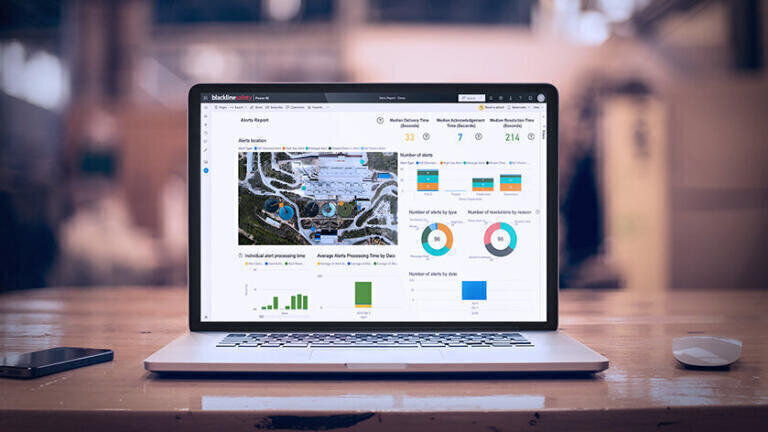
Blackline Safety have already made a huge difference to their customers’ approach to safety in the water/wastewater sectors. Their portfolio ranges from cloud-connected instruments that continuously monitor for safety incidents in real-time to quantitative data and insights dashboards. A complete connected safety solution brings opportunities to take safety, and your entire organisation, to the next level.
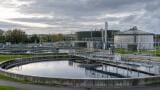
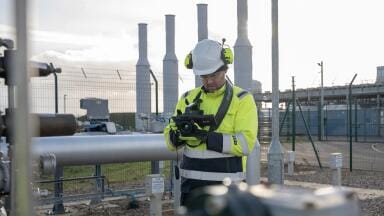
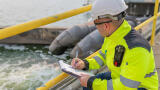
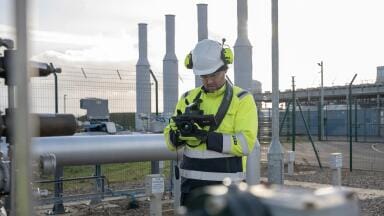
The water industry employs personnel to perform a variety of challenging and potentially dangerous tasks; they have to supervise wastewater plants, monitor flowmeters, or keep track of water quality at remote pumping stations or reservoirs. These jobs involve working in environments with high voltage materials, hazardous or contaminated water, poisonous chemicals, and toxic or explosive gases, often in confined spaces such as sewers, pipelines, storage tanks or access tunnels. Oxygen deficiency, extreme temperatures or exposure to high levels of hydrogen sulphide and other toxic gases are ubiquitous to such locations. The use of chemicals like chlorine (Cl2) and ammonia (NH3), commonly used in wastewater treatment plants, also pose considerable health risks for workers, in addition to gases produced because of wastewater and treatment processes, like hydrogen sulphide and sulphur dioxide (SO2). These hazards are even more of a danger to remote or lone personnel.
To save lives, time, money and stress, today’s water organisations need a versatile and scalable solution for protection against all the hazards their workers face, while making sure that you can get to them as soon as possible should the worst happen. That’s where Blackline’s connected technology can come to the fore.
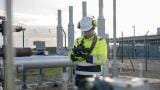
Real-time data supporting a precise, robust and informed response is a powerful tool. Cloud-connected real-time data provides safety managers continuous situational awareness, so they can see the condition of the workers and monitor their safety at work continuously. Rapid gas exposure alerts, person-down alarms, and manual safety triggers enable a fast response to safety incidents. Once this technology is teamed up with professional, live 24/7 monitoring water organisations can rest assured that they have the requisite quick response capabilities to protect their staff.
IET Guide 2026

 Product directory