Environmental laboratory
Published over 6 years ago. See the latest and most current information on Environmental laboratory.
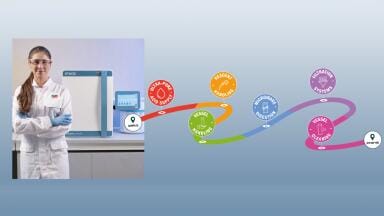
Tracking carbon levels across a plant, from source water, to utility water, and finally to wastewater is crucial to understanding the effectiveness of a plant’s treatment process. For example, if source water is found to be high in carbon, then further treatment steps would be required. As the water travels through the facility, it’s used to operate various assets such as boilers and steam generators. Carbon measurements should be taken to ensure the water is free of contaminants that can cause corrosion and scaling. If the water has unacceptable levels of carbon, decisions are made to divert the water from the equipment and the source of contamination can be easily identified to reduce maintenance costs. Lastly, all processes generate wastewater – different, but equally critical to monitor. Whether on-site or off-site, as the water makes its way to the wastewater treatment facility maintaining good carbon measurements can help optimise various treatment steps and confirm discharge carbon levels are met. This begs the question - if a monitoring plan is not in place, how can there be confidence that the chosen treatments are effective?
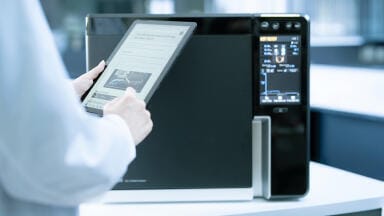
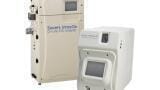
Learn how SUEZ through its Sievers* product line of TOC analysers can help your facility establish a monitoring plan you can be confident in. Find out more here.
*Trademark of SUEZ, may be registered in one or more countries.
IET Guide 2026

 Product directory