Environmental laboratory
Published over 3 years ago. See the latest and most current information on Environmental laboratory.
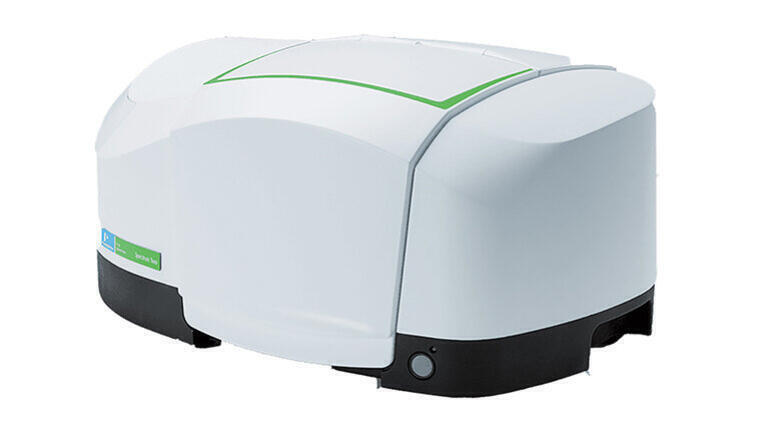
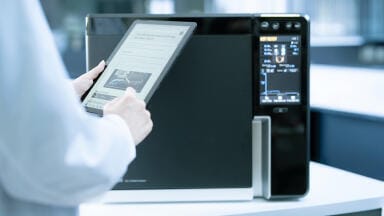
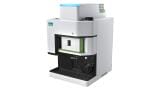
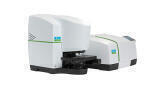
PerkinElmer’s Spectrum Two™, is a reliable infrared (FT-IR) spectrometer built upon decades of spectroscopy expertise. Spectrum Two is designed specifically to perform rapid analytical measurements and is offers an ideal solution for busy environmental labortories.
User-friendly and compact, Spectrum Two is perfect for identifying unknown substances, material qualification, or concentration determination. The instrument's low-maintenance design offers unprecedented levels of operational simplicity and can be used by "anyone, anywhere, anytime" - bringing precise and dependable high-speed FT-IR analysis to even the most inexperienced operators, even away from the lab.
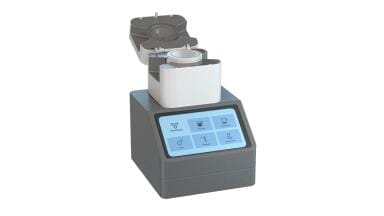
Dedicated systems using Spectrum Touch™ next-generation user interface have been developed to cater to the requirements of application-specific quality control analysis. With its easy-to-use touchscreen technology, Spectrum Touch enables results to be generated quicker than ever before by even completely inexperienced users, simplifying analytical operations significantly.
Spectrum two’s highly progressive software and patented features guarantee both consistency and repeatability, while its unique humidity shield protects the instrument from environmental effects that may fetter the efficiency of the instrument.
The Spectrum Two analysers were designed with PerkinElmer's Corporate Social Responsibility initiative in mind, so a reduction of the overall carbon footprint of manufacture, packaging and transportation has been achieved. These were PerkinElmer’s first instruments in which reducing environmental impact was integral to its design; hence, these are the smallest and lightest PerkinElmer infrared instruments ever made. They also selected the manufacturing materials from recyclable sources, a design philosophy that will assist customers in lowering their own carbon footprint and operational costs by minimising the analyser’s power consumption.
IET 36.5 Sept/Oct 2026


 Product directory




.jpg)

















.jpg)