The number of fish swimming inhabiting the waters of the Caribbean's coral reefs is in decline, a new report has concluded.
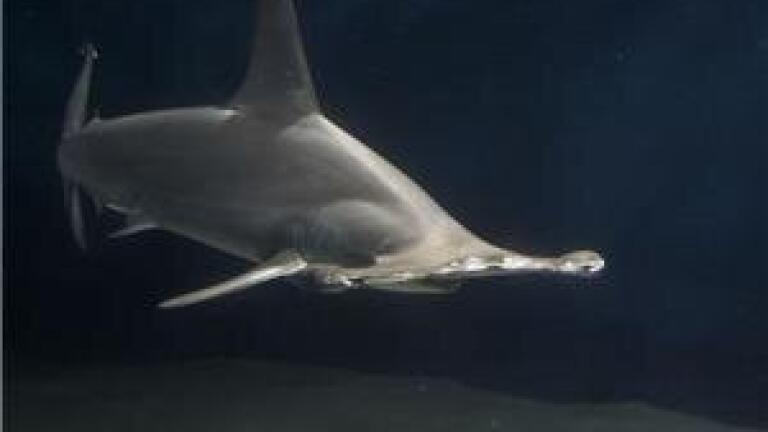
Among the species that have dwindled in recent times include large predatory fish and sharks, something that is due to human population booms damaging their food cycle, according to Chris Stallings, a researcher at the Florida State University Coastal and Marine Laboratory.
Mr Stallings study sought to examine the claims that fish have been in decline in greater detail and on a larger geographic scale. He studied species such as lionfish, groupers, snappers, jacks, trumpet fish and barracuda.
"I found that nations with more people have reefs with far fewer large fish because as the number of people increases, so does demand for seafood," he explained.
In other coral reef research news, scientists from the University of Queensland's Centre for Marine Studies and the ARC Centre of Excellence for Coral Reef Studies (CoECRS) concluded that the reefs around Keppell Island in Australia have made an impressive recovery following a bleaching disaster.




 Product directory