Air monitoring
Published over 9 years ago. See the latest and most current information on Air monitoring.
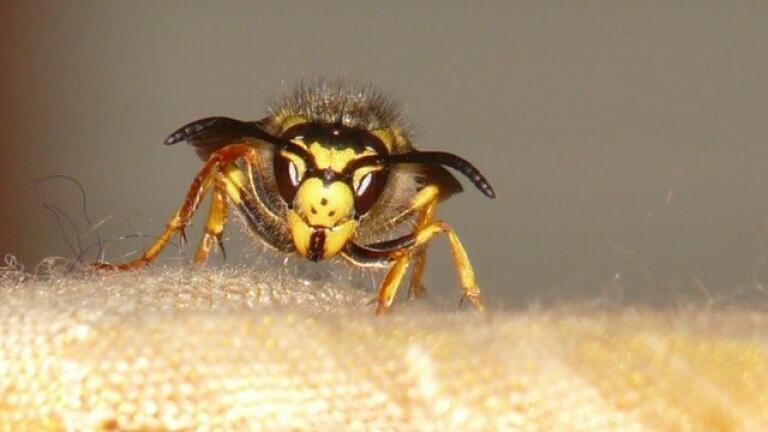
Wasps – they’re an inevitable part of summer, making the warm weather that bit less enjoyable. But do they have any benefits? We’re all well aware that bees are essential to the environment, pollinating the majority of plants around the world. Read on to see whether wasps have any environmental purpose.
Chances are, the wasps you’re used to seeing are social wasps – also known as yellow-jackets. They live in colonies of hundreds or even thousands, in nests they construct from wood fibres. Wasps collect the fibres and mix them with water, creating a strong, durable papier maché material.
Nests begin developing towards the end of spring, when queen wasps start to emerge. The queen has to build its own small nest, before rearing the first few workers. They can then take over the work and grow the colony. Eventually, they develop into more sophisticated groups, communicating and organising to look after their nest, collect food and defend the queen.
While you may not notice it, these wasp colonies are actually an important regulator of the environment. No, they don’t make delicious honey, but they do control pests. Wasps are predators of a number of insects like greenflies and caterpillars. Without them, there would be some far bigger problems for you to deal with.
It’s estimated that, without wasps, we could have as much as 14 million extra kilograms of insects in the UK alone. That’s a whole load of pests on crops and gardens across Britain. On top of that, they’re also useful pollinators. Wasps transfer pollen as they fly to different flowers (to drink nectar), giving even more plus points for crops and gardens.
Unfortunately, this sweet tooth is also why they have such a bad reputation. All through the summer, wasp colonies raise larvae which they feed with proteins. The larvae convert the protein into carbohydrates which is then fed back to the adults as a sugary liquid. Towards the end of summer, wasp colonies stop producing larvae, meaning no protein-carbohydrate conversion, leaving the adult wasps keen for sugar. And where better to look than the food and drinks at your barbecue or picnic?
Summer isn’t just high time for wasps. It’s also the peak for the solar industry, with more hours of direct sunlight. The article ‘Solar Projects at Lufft’ explores how Lufft environmental sensors assist with solar assessment and monitoring to improve output in the solar industry.
IET Guide 2026

 Product directory



















.jpg)