Air monitoring
Published over 13 years ago. See the latest and most current information on Air monitoring.
Air pollution could increase the risk of perforated appendicitis, according to researchers. It has been found that short term exposure to high levels of ozone air pollution could mean that an individual is more likely to have their appendix burst.
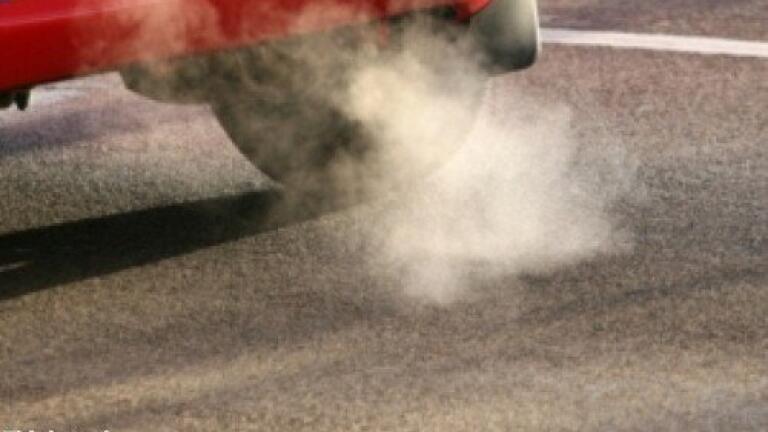
A five-year study of air pollution levels in several Canadian cities has suggested that there could be a strong link to ozone pollution and appendicitis that results in the organ bursting. Ozone is most commonly associated with traffic pollution and can be incredibly harmful to human health at high levels. It has already been linked to heart disease, lung cancer, respiratory problems and other diseases and developmental problems.
The recent study found that throughout the 12 Canadian cities being monitored there was a seven per cent increase in the number of cases of appendicitis reported during a week-long period of increased ozone levels, with the number of cases of perforated appendicitis increasing by 22 per cent.
The ozone levels recorded during this week were measured at an increase of 16 parts per billion on the cities' averages over a course of seven days. Ozone levels differ depending on the levels of traffic and the temperature - hot weather can exacerbate the ozone levels - but they usually measure somewhere between zero parts per billion and 300 parts per billion. This higher end of the scale is considered to be a very unhealthy level of ozone.
Over the course of the five-year study over 35,000 appendicitis patients were analysed throughout the 12 different cities. The average patient was 30 years old and had been subjected to higher than average levels of ozone pollution in the week prior to the illness developing. Whilst the increased levels of air pollution are a good indication that ozone could have been a factor in these cases, there could also be other factors that could have increased each patient's likelihood of developing the illness.
IET Guide 2026

 Product directory



















.jpg)