Environmental laboratory
Published over 18 years ago. See the latest and most current information on Environmental laboratory.
This study reports on an X-Ray Fluorescence analysis of 30 determinants from sediment samples taken from the Curonian Lagoon, (CL) Lithuania, influenced by transboundary pollution. Data on number of less wellknown elements, e.g. scandium, yttrium, niobium, and gallium are included. The heavy metals and metaloids (zinc (from 16 - 96), copper (up to 19), lead (2.45 - 2.7), arsenic (1.8 – 4.5), and sulphur (> 45) times) were found accumulated in clay-type fine sediments, differing from all the other sediments of mostly fine sand origin. Clay sediments were polluted higher than proposed in situ Belgium Sediment Quality Guidelines: Cr (5.3 times), Zn (1.46 times), Pb (1.93 times), and Cu (2.38 times). Lithuania, as well as other countries, discharging to Nemunas River system, is a signatory to the 2007 UNIDO Ministerial Declaration on “Zero Discharges”. Enactment of this Declaration should lead to the reduction of some of these elements in CL fine sediments.
IET 36.5 Sept/Oct 2026

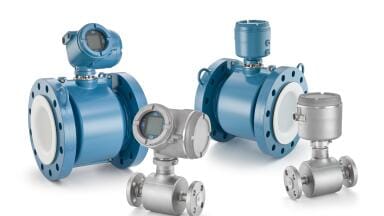


 Product directory














.jpg)