Air monitoring
Published over 15 years ago. See the latest and most current information on Air monitoring.
Every day, the average person inhales about 11,000 litres of air. Every time we breathe, we risk inhaling dangerous chemicals that have found their way into the air. Air pollution includes all unwanted contaminants found in the atmosphere. These substances can be either in the form of gases or particles.
Air pollution can be found both outdoors and indoors. Pollutants can be trapped inside buildings, causing indoor air pollution that can last for a long time.
The sources of air pollution can be both natural or as a result of human activities and has long been acknowledged - even in ancient Rome people complained about smoke put into the atmosphere.
As one might expect, humans have been producing increasing amounts of pollution as time has progressed, and we now account for the majority of pollutants released into the air. Recent events such as the Great Smog which occurred in London in 1952 helped to highlight the problems caused by air pollution; it is estimated that 4,000 had died prematurely and 100,000 more were made ill because of the smog’s effects on the human respiratory tract. More recent research suggests that the number of fatalities was considerably higher at around 12,000.
The effects of air pollution are diverse and numerous. Air pollution can have serious consequences for the health of human beings, and also severely affects natural ecosystems.
Because it is located in the atmosphere, air pollution is able to travel easily. As a result, air pollution is a global problem and has been the subject of global cooperation and conflict. Some areas now suffer more than others from air pollution.
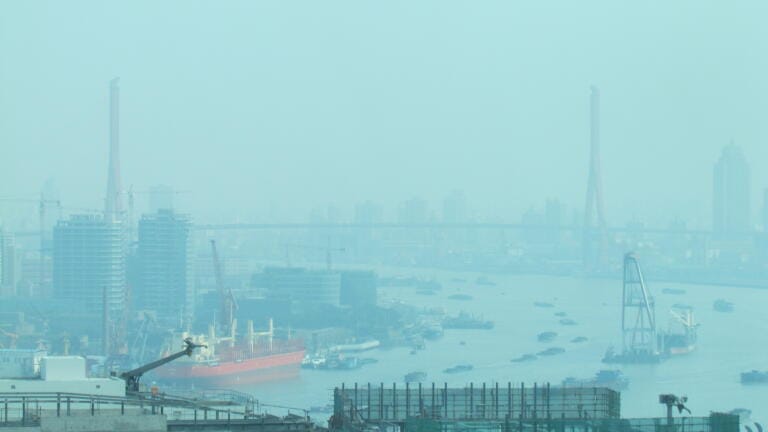
Cities with large numbers of vehicles or those that use great quantities of coal often suffer most severely from problems of air pollution. Places like Mexico City and Sao Paulo have some of the most deadly pollution levels in the world.
IET Guide 2026

 Product directory