Environmental laboratory
Groundwater monitoring
Water/wastewater
Industrial emissions
CEMS
Personal gas detector
Gas sensors
Portable & field testing
Health & safety
Business news
.
PEFTEC 2017
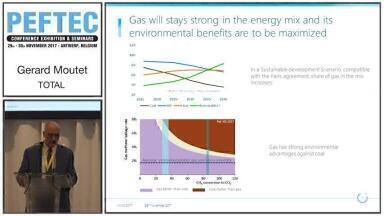
The use of natural gas in global energy systems has increased substantially over the last decade as countries are driven toward decarbonisation. Natural gas exhibits lower combustion emissions than...
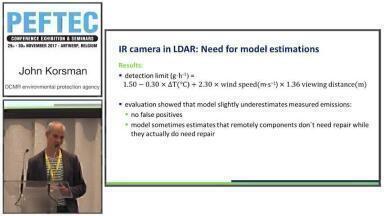
Infrared (IR) gas finder cameras are increasingly used in leak detection and repair (LDAR) surveys for detecting fugitive volatile organic compound (VOCs) emissions from process components. In orde...
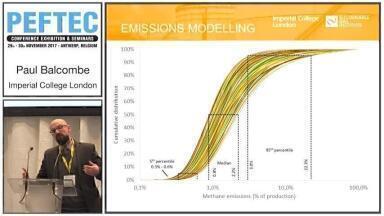
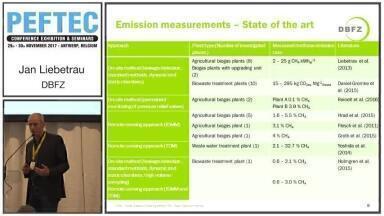
Methane is a valuable energy carrier but also a very potent greenhouse gas (GHG). The reduction of greenhouse gas emission mitigation effect within the energy sector by possible methane emission fr...
Black carbon is a serious problem – but how do we measure it?
Long-term sampling for continuous monitoring of dioxins, furans, PCBs, biogenic CO2 and mercury
Probe sampling under extreme conditions in hazardous areas
Delivering certainty for Section 82 with continuous water quality monitoring
What is the most important aspect of CEMS monitoring?
How Europe's IED 2.0 could change India's CEMS structure
IET Guide 2026
Discover the latest news and research

 Product directory



.jpg)






.jpg)
.jpg)
.jpg)
.jpg)



.jpg)

.jpg)
