"Biogas from anaerobic digestion facilities may provide several greenhouse gas mitigation effects including fossil fuel substitution, possible balancing energy source in a supply system with a high proportion of wind and solar power, and reduction of methane emissions from manure management. However, methane losses from biogas plants are problematic, since methane emitted into the atmosphere contributes to global warming, and any losses may thus reduce the environmental benefits of biogas production.
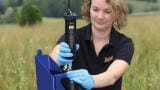
The total losses of methane from 23 biogas plants were measured by applying a tracer gas dispersion method to assess the magnitude of these emissions. This ground based remote sensing method involves continuous release of a gaseous tracer (acetylene) at the biogas plant combined with downwind measurements of methane and tracer gas using a high precision gas analyzer with a high measurement frequency. The methodology was originally developed for measurements of landfill gas emissions, and is described in Mønster et al., 2015, 2014.
The investigated biogas plants varied in terms of size, substrates used and biogas utilization (combined heat and power (CHP) and/or upgrade and gas grid injection) and more. Methane emission rates varied between 2.3 and 33.5 kg CH4 h-1, and losses expressed in percentages of production varied between 0.4 and 15.0%. The average emission rate was 10.4 kg CH4 h-1, and the average loss was 4.7%. Methane losses from the larger biogas plants were generally lower compared to those from the smaller facilities. In general, methane losses were higher from wastewater treatment biogas plants (7.7% in average) in comparison to agricultural biogas plants (2.4% in average). In essence, methane loss may constitute the largest negative environmental impact on the carbon footprint of biogas production. The tracer gas dispersion method was found to be useful in quantifying total methane emissions from biogas plants, whereas the detection and quantification of individual leaks at the plants require other methods."

Her research field is waste management covering waste characterization, waste management technologies, and life cycle assessment of waste management technologies and systems. An expert field is quantification of gaseous emissions from facilities treating organic residues. She participated in several national and international research projects in collaboration with waste management companies, leading consulting companies, administrative bodies and universities.
IET Guide 2026

 Product directory



.jpg)






.jpg)
.jpg)
.jpg)
.jpg)


.jpg)
