Water/wastewater
Published over 13 years ago. See the latest and most current information on Water/wastewater.
In some parts of the UK, the majority of sewerage blockages occur due to a build up of Fats Oil and Grease (FOG) from food-related activities, domestic homes and industry. Quantitech (UK) Managing Director, Keith Golding, believes that successful management of the problem, through best practices and effective grease interception, can only be achieved when rapid analysis tools are employed.
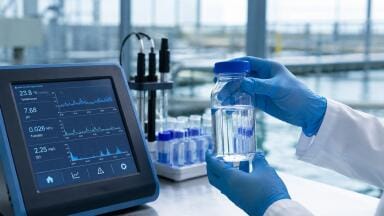
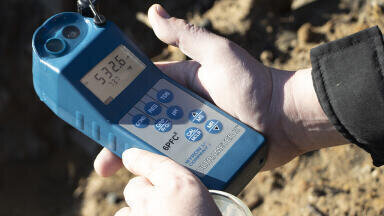
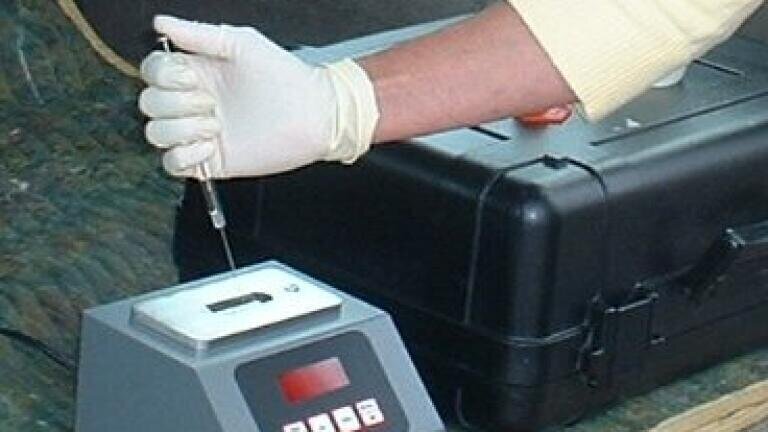
The advantages of infrared analysis over the gravimetric method are simplicity and speed. Portable, relatively inexpensive fixed-filter infrared analysers, such as the Wilks InfraCal TOG/TPH Analyser are currently employed by regulators and water companies to quickly determine who their “FOG clog” offenders are.
Plant operators are able to take samples both before and after treatment in order to study the process under differing load conditions, so that system parameters can be changed quickly without having to wait for laboratory results. Most importantly, effluent containing fats, oil and grease above the regulatory limits can be diverted before a blockage is caused.
IET 36.3 May

 Product directory