Environmental laboratory
Published over 5 years ago. See the latest and most current information on Environmental laboratory.
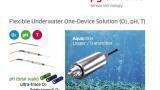
PyroScience transformed their year-long experience in innovative lab sensor solutions towards a flexible underwater solution. Recently, PyroScience launched a unique all-in-one optical sensor platform based on their new AquapHOx technology to monitor the health of our oceans.
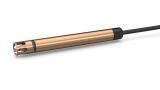
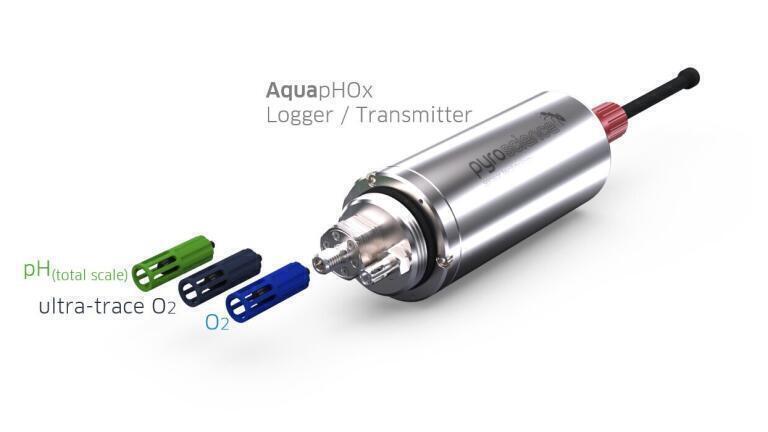
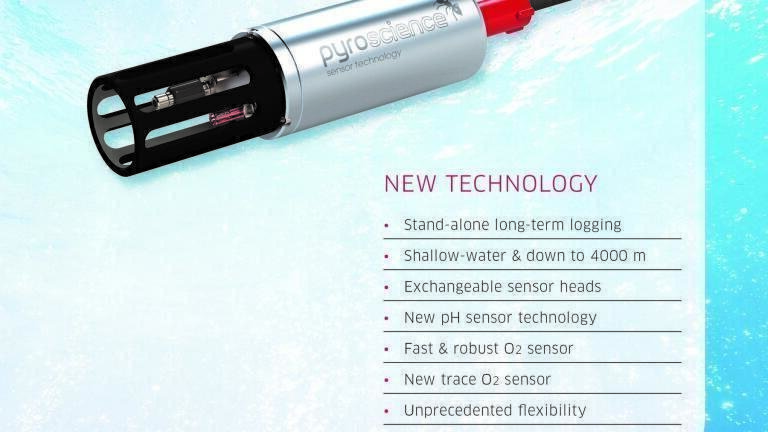
The AquapHOx-LX is a multi-analyte long-term logger for standalone underwater operation down to 4000 metres depth. It can be combined with a wide range of optical O2, pH or temperature sensors, offering maximum flexibility regarding application.
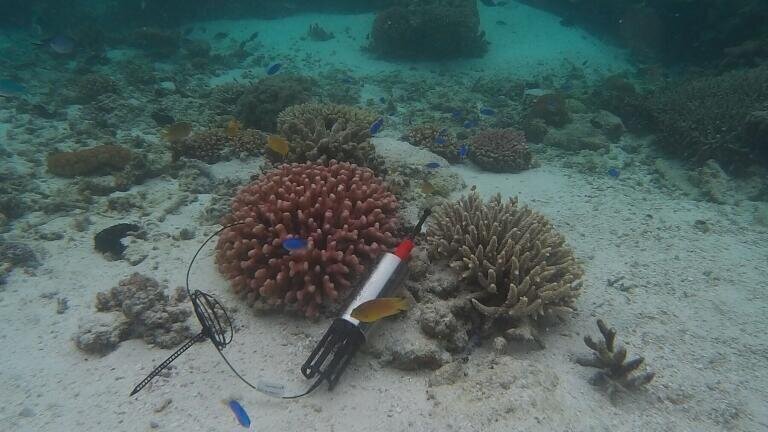
The AquapHOx long-term loggers are ideally suited for measurements in different ocean habitats, including open ocean, the deep sea and coastal habitats like coral reefs. This meter features a single optical channel compatible to a broad range of optical O2, pH, and temperature sensors with proprietary underwater connector. The optical sensor of choice must be purchased separately, so users only need buy the specific sensors that they need. Each optical sensor is automatically temperature compensated by the integrated fast Pt100 sensor head.
Operators can log data for up to 1 year without needing a connection to a PC with this stand-alone long-term logger. After the experiment, download the data with PyroScience’s included versatile Windows software for data processing. The integrated maintenance-free lithium battery is then recharged within 2 hours for the next deployment. This device comes with a built-in data memory of 4GB of industrial grade for ca. 40 million data points, offering virtually unlimited data memory even during long expeditions.
The available sensor portfolio based on unique REDFLASH technology offers unmatched flexibility for multiple applications with the same AquapHOx read-out device, including:
Simply exchange the sensor head, choose between different analytes (pH, O2 or T) and sensor formats and deploy the all-in-one logger down to 4000m water depth. This new tool is ideally suited for global pH and O2 monitoring of the status of our oceans to understand and monitor climate change, biogeochemical cycles and the deep sea.
IET Guide 2026

 Product directory