
Environmental laboratory
Published over 17 years ago. See the latest and most current information on Environmental laboratory.
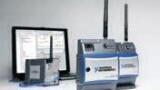
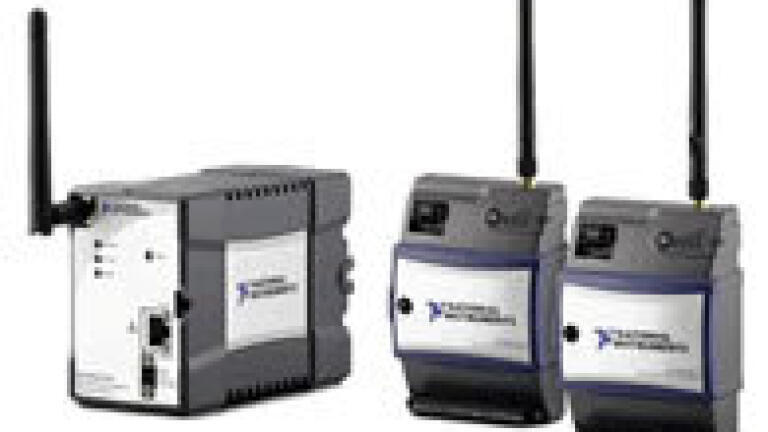
National Instruments Wireless Sensor Networks offer reliable, low-power measurement nodes that operate for up to three years on 4 AA batteries and can be deployed for long-term, remote operation. The NI WSN protocol based on IEEE 802.15.4 and ZigBee technology provides a low-power communication standard that offers mesh routing capabilities to extend network distance and reliability. The wireless protocol you select for your network depends on your application requirements. To learn more about other wireless technologies for your application, read the “Selecting the Right Wireless Technology” white paper.
Applications - Embedded monitoring covers a large range of application areas, including those in which power or infrastructure limitations make a wired solution costly, challenging, or even impossible. You can position wireless sensor networks alongside wired systems to create a complete wired and wireless measurement and control system.
A WSN system is ideal for an application like environmental monitoring in which the requirements mandate a long-term deployed solution to acquire water, soil, or climate measurements. For utilities such as the electricity grid, streetlights, and water municipals, wireless sensors offer a lower-cost method for collecting system health data to reduce energy usage and better manage resources. In structural health monitoring, you can use wireless sensors to effectively monitor highways, bridges, and tunnels. You also can deploy these systems to continually monitor office buildings, hospitals, airports, factories, power plants, or production facilities.
With the National Instruments WSN platform, you can customize and enhance a typical WSN architecture to create a complete wired and wireless measurement system for your application. NI software integration provides the flexibility to choose a Windows-based host controller for your WSN system or a real-time controller such as NI CompactRIO, giving you the ability to integrate reconfigurable I/O with your wireless measurements. With either host controller, you can use LabVIEW and the NI-WSN software with LabVIEW project integration and drag-and-drop programming to easily configure your WSN system, extract high-quality measurement data, perform analysis, and present your data.
Click here to learn more about National Instruments Wireless Sensor Networks.
IET 36.5 Sept/Oct 2026




 Product directory