Contaminated Land Remediation companies contemplating options for bioremediation can now reduce their risks by using new analytical techniques developed by Lancaster Environment Centre and the University of East Anglia and now licensed to ALcontrol Laboratories.
Traditionally, analytical soil extraction techniques have been concerned with the determination of ‘total’ chemical concentrations but these are misleading as they do not reveal how much of the contamination is bioavailable and therefore removable by bioremediation. For bioremediation to be successful contaminants must be both available and biodegradable and this new technique determines just that.
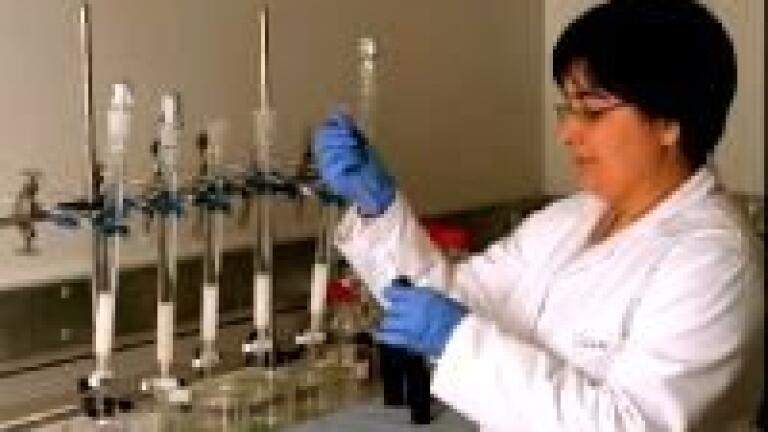
This problem has been overcome by developing an analytical technique based on cyclodextrins—a group of chemicals based on rings of glucose molecules. Alcontrol are now marketing this new analytical technique and would be interested in discussing it further.

 Product directory