Water/wastewater
Published over 7 years ago. See the latest and most current information on Water/wastewater.
Public water systems commonly add phosphates to the drinking water as a corrosion inhibitor to prevent the leaching of lead and copper from pipes and fixtures. As a result, lead and copper levels in the water will remain low and within the norms to protect the public health.
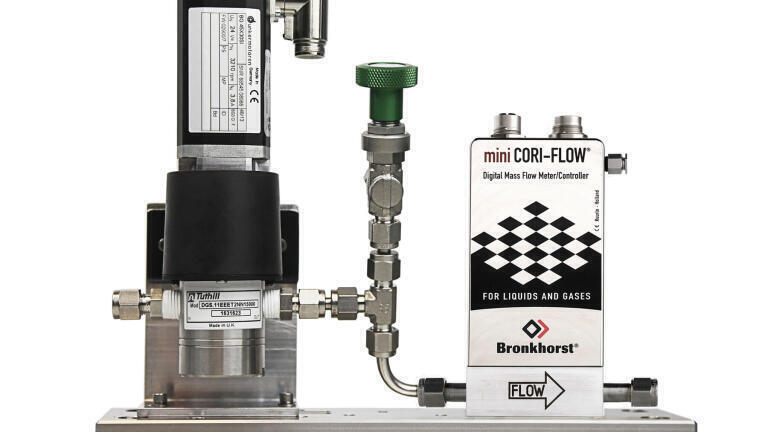
By using a Bronkhorst coriolis mass flowmeter with a gear pump and setting the required dose ratio within the on-board software. The MLD flow rate can be used as an input signal to the coriolis flow meter and by using the integrated PID controller, the pump achieves the pre-set dose ratio proportional to the main water flow in the dosing station.
The interface, located between the dosing technology and the incumbent local telematics system, allows remote monitoring of the system health. Mass flowmaters help to ensure a stable concentration of chemicals in the public water system and maintain the public health commitments of the water industry. They also save money by decreasing the addition of chemicals into the environment by significant levels and by eliminating the need for down-stream analysers
IET Guide 2026

 Product directory