Water/wastewater
Published over 6 years ago. See the latest and most current information on Water/wastewater.
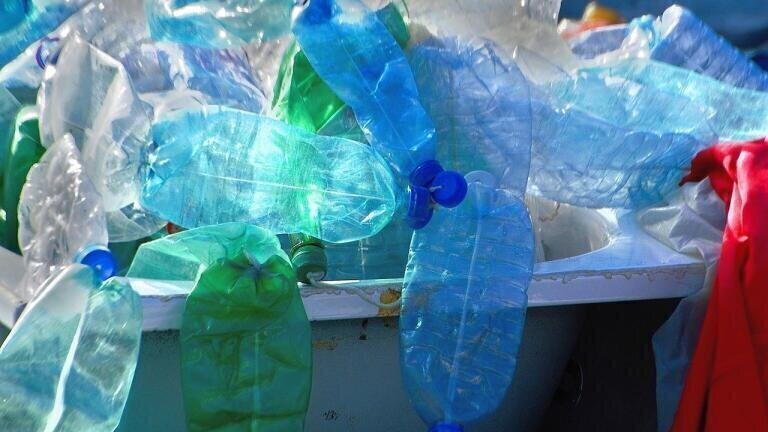
Plastic is a seemingly ubiquitous material that has pervaded every part of our daily lives, so it’s little surprise that plastic pollution is one of the biggest environmental crises facing humanity today. In the grand scheme of things, it’s a relatively new one; the amount of plastic produced between 2000 and 2010 is greater than the output of the entire 100 years before the turn of the millennium.
Unfortunately, that problem has only become more entrenched over the last decade. A recent study found that 275 million tonnes of plastic are manufactured every year, with between 4.8 million and 12.7 million tonnes of that figure finding its way into the sea. In fact, oceanic plastic pollution is projected to have increased tenfold from 2010 to 2020.
While developed countries generally consume more plastic than developing ones, they also normally have better waste management systems in place. That means that much of the plastic pollution comes from impoverished or developing nations in southeast Asia and has a significantly detrimental impact on marine life living in coastal waters and beyond.
Indeed, earlier this year plastic debris was discovered at the bottom of the Mariana Trench, which is the deepest known point of any ocean. The fact that plastic pollution can reach even depths of 11,000m highlights how it can corrupt the natural order of things anywhere, endangering the flora and fauna which call those ocean habitats home.
Not only can birds, fish and other sea creatures become entangled in plastic debris and drown or starve, but over the course of several years at sea it can break down into highly dangerous microplastics. These can be mistaken for food by even the tiniest of organisms and ingested, which can be consumed by larger species and so plastic reaches farther and farther up the food chain.
Awareness of the urgency of the problem has been growing in recent years, but unfortunately progress has been slow and stultified. In 2014, the Netherlands became the first country to ban microbeads in cosmetic products. Microbeads are a key contributor to plastics in the ocean and it wasn’t long before other countries, including the USA in 2016 and the UK in 2018, followed suit.
Meanwhile, the war against single-use plastics has intensified. All four Home Nations have introduced a levy on plastic bags in supermarkets with impressive levels of success; plastic bag consumption in the UK has fallen by 90% since the measure was first introduced. Other items such as straws, coffee cups and cigarette filters are in the government’s crosshairs and could be next on the chopping block.
Meanwhile, scientists have continued to search for methods of clearing up the pollution that has already infiltrated our waterways. One particularly innovative avenue of research has seen the unlikely combination of forensic science and artificial intelligence, as the scientific community turns to technology to try and lend Mother Nature a helping hand.
IET 36.5 Sept/Oct 2026




 Product directory