Food safety testing
Published over 3 years ago. See the latest and most current information on Food safety testing.
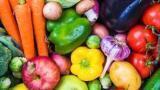
The latest report from the European Food Safety Authority (EFSA) has been released, detailing pesticide residue levels found in commonly consumed foods in the European Union. In 2021, 87,863 food samples were collected and analysed, with 96.1% of samples falling within legally permitted levels. For the subset of 13,845 samples analysed as part of the EU-coordinated control program, 97.9% were within legal limits.
The EU MACP program analyses samples randomly collected from 12 food products, including aubergines, bananas, broccoli, cultivated fungi, grapefruits, melons, sweet peppers, table grapes, virgin olive oil, wheat, bovine fat, and chicken eggs. Of those samples analysed in the coordinated program, 58.1% were found to be free of quantifiable levels of residues, 39.8% contained one or more residues in concentrations below or equal to permitted levels, and 2.1% contained residues exceeding the permitted levels.
The report indicates that the overall rate at which pesticide residues exceeded the maximum residue levels (MRLs) rose from 1.4% in 2018 to 2.1% in 2021. However, excluding grapefruits, the average MRL exceedance rate was 1.4% in 2021, the same as in 2018. Member States drew attention to the higher presence of pesticide residues in grapefruits imported from outside the EU, and the European Commission increased border controls accordingly.
The report includes recommendations to improve the efficiency of European control systems for pesticide residues, and the detailed results of the control programs are available on EFSA’s website for non-specialists to access. EFSA's annual report also includes data from national control activities carried out by individual EU Member States, Norway, and Iceland.
Overall, the report suggests that the analysed food commodities are unlikely to pose a health concern for EU consumers. EFSA carried out a dietary risk assessment as part of its analysis, and a pilot probabilistic assessment on a subset of substances was also introduced for the first time.
IET Guide 2026

 Product directory