

Environmental laboratory
Published over 11 years ago. See the latest and most current information on Environmental laboratory.
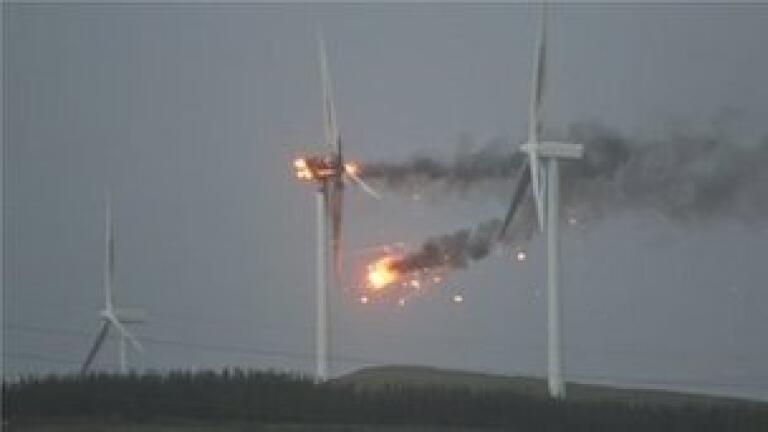
In many cases, the answer in the past has certainly been NO. Wind turbine lifetime was seriously compromised by vibration, particulate matter in the oil system and cracks in the roller bearings. The only technology to measure these effects had detection limits such that damage had already occurred by the time the alarm was sounded. Rigid inspection intervals, sometimes unnecessary, are costly to perform, especially on offshore sites.
The WearSens® system from cmc Instruments GmbH was developed with academia especially to solve this problem. It can control the proper operating conditions for wind turbines and detect changes in the system before damage occurs. Asset protection of these expensive units enables theoretical lifetimes to be achieved, maintenance schedules optimised for prevention and considerable cost savings.
WearSens® works and it works,
Before laboratory analysis detection limits
WearSens® is a condition monitoring system for oil quality, more sensitive and with lower detection limits than previously seen. The work of the oil additives does not mask the problem until it is too late either. WearSens® has a faster detection time than the action of the additives.
The WearSens® sensor measures oil aging via elements of the complex impedance of oils, in particular conductivity and permittivity, together with temperature. Oil aging results from degradation of the oil and products of contamination in the oil. These increase the conductivity of lubricating oils. The conductivity of any impurities is high compared to the extremely low conductivity of the original, pure oil. Conductivity measurements are made in the picosiemens range and the permittivity measurement has been found to correlate with moisture in the oil. Another feature that makes WearSens® unique is the patented, self-learning, adaptive temperature compensation algorithm. Without this values would not be able to be compared with any accuracy. Together these two temperature compensated measurements give a clear picture of the health of the ‘oil-machine’ system.
Applications for this new technology include all large oil lubricated and oil insulated systems. For instance, turbines including offshore wind turbines, compressor systems, cogen electricity plants as well as high voltage transformers.
WearSens®is easy to install and inexpensive to retro-fit. The decentralised, web based monitoring system makes results available anywhere in the world. It can be employed as a stand-alone unit or as part of a more comprehensive condition monitoring system.
IET 36.5 Sept/Oct 2026




 Product directory