Environmental laboratory
Published over 8 years ago. See the latest and most current information on Environmental laboratory.
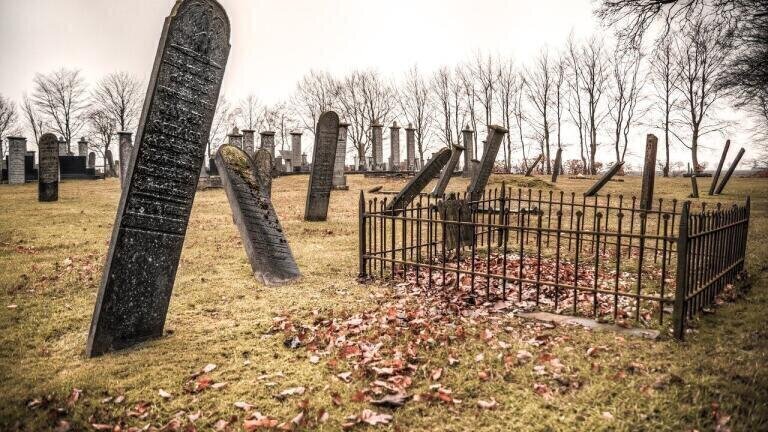
An increased awareness about the dangers of climate change has led to many of us measuring and trying to reduce our carbon footprint throughout our life… but what about after our death? The two most popular forms of the disposal of bodily remains after death are cremation and burial, but what impact do these have on the environment? And is there a better way?
Unfortunately, both burial and cremation have a significantly detrimental impact on the environment. Burial involves embalming the body prior to its interment, which itself uses carcinogenic chemicals such as formaldehyde and phenol. What’s more, coffins are often constructed from precious resources such as endangered wood or mined metal, and the perseverance of plastic elements in the atmosphere spells bad news for the natural world, as well.
Cremation, on the other hand, uses an incredible amount of energy to dispose of a body – the equivalent of almost 5,000 miles in a passenger vehicle. Furthermore, it also releases a whole host of toxic gases such as carbon dioxide, mercury and dioxin into the atmosphere. While there are rigid compliance standards for mercury emissions at power plants and factories, these do not take into account crematoriums.
On the plus side, many new and more environmentally-friendly ways of disposing of a body have sprung up in recent years to meet an eco-conscious demand. Here are a few of the options available for those wishing to find a greener way to go:
IET 36.5 Sept/Oct 2026



 Product directory