A team of researchers has concluded that caffeine is having a detrimental effect on the
water quality of the world's oceans and in turn is contributing to the bleaching of coral reefs.
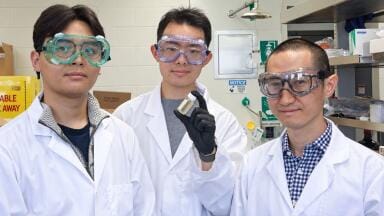
The study, undertaken by a group of researchers from the University of California, found that 52 to 92 per cent of the world's coral reefs have been affected by bleaching, which is brought about by high levels of caffeine in water.
They estimate that each person consumes an average of 70 micrograms of caffeine daily and from Orange County alone, 35 kilograms of caffeine a day enters the Pacific Ocean, it was predicted.
Wastewater treatment plants are unable to remove all of the caffeine present in their waters, SpectroscopyNow.com reported.
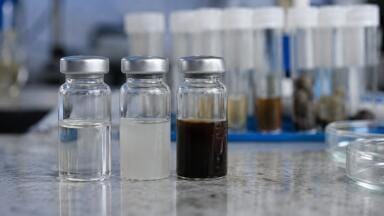
An ensuing study of various species of coral concluded that high caffeine levels suppress the growth of algae, which is needed to produce colour, in the specimens.
According to doctor Toby Tyrrell, specialist in ocean acidification at the National Oceanography Centre of Southampton, damage to the world's coral reefs should be a major point of concern.





 Product directory