Air monitoring
Published over 6 years ago. See the latest and most current information on Air monitoring.
Mercury emissions from waste incinerators and other industrial facilities are often strictly regulated. This calls for monitoring of mercury concentrations. That is not always an easy task, but there is a method available giving the true total mercury content in the flue gas.
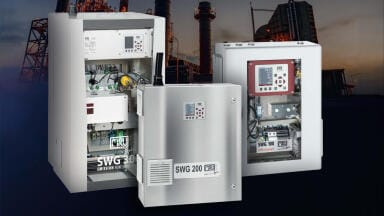
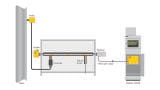
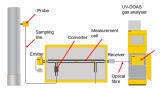
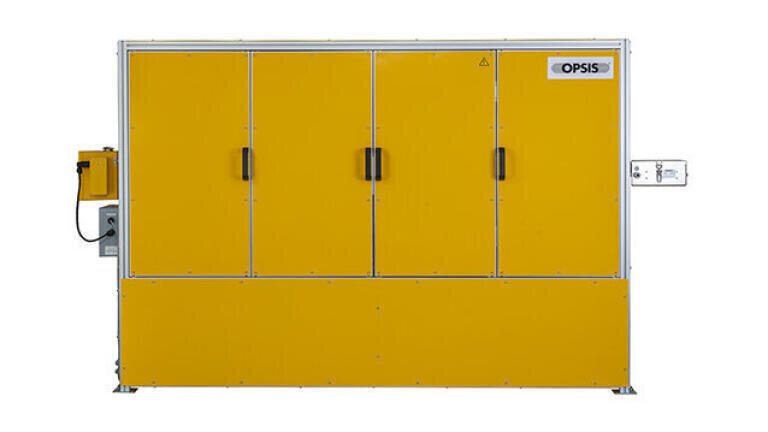
Opsis has developed a method for fast and precise measurements of total mercury (THg) for continuous emissions monitoring purposes - System 400. The flue gas from the combustion process is extracted and sent to a converter where any compound-bound mercury is released to form atomic mercury, Hg0. The concentration of Hg0, and thereby effectively the concentration of THg in the flue gas, can then easily be determined using the proven Opsis DOAS gas analysers. The same monitoring system can also be configured to measure concentrations of a number of other gases, such as NO, NO2, SO2, CO, CO2, NH3, H2O, HF, and HCl, thereby constituting a very cost-effective monitoring solution operating with a minimum of maintenance.
Through utilising the Opsis System 400, full control is gained within mercury monitoring. Using the same single system, you can both control the flue gas cleaning process and document the emission levels as required by the authorities.
Opsis System 400 is internationally certified and approved and has been installed at industrial facilities all over the world.
IET Guide 2026

 Product directory



















.jpg)