Environmental laboratory
Published over 124 years ago. See the latest and most current information on Environmental laboratory.
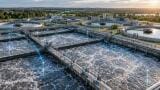
The preparation of a mixture of organic and inorganic samples holds some difficulties: whereas sand, clay and stones can usually be ground to homogeneous samples with suitable laboratory mills, the high energy input can cause samples with organic components such as fat or starch to cake. Carsten Bunn, a laboratory technician at the waste water treatment laboratory BRW, has to deal with this problem every day. He treats samples which are taken from the sand traps of the wastewater treatment plants and consist of exactly that mixture. The sediments of household and industry waste water not only contain sand, clay or leaves but anything that people nowadays dispose of through the sewer system: cellulose, hair and especially food residues.
IET 36.5 Sept/Oct 2026


 Product directory


.jpg)














.jpg)



.jpg)
.jpg)