Water/wastewater
Published over 15 years ago. See the latest and most current information on Water/wastewater.
The Water Framework Directive
The Water Framework Directive (WFD, 2000/60/EC) is one of the most important pieces of environmental legislation produced in recent years and is likely to transform the way water quality monitoring is undertaken across all European Union’s member states. The objectives of the WFD are to improve, protect and prevent further deterioration of quality for most types of water body across Europe. The Directive aims to achieve and ensure “good quality” status of all water bodies throughout Europe by 2015, and this is to be achieved by implementing management plans at the river basin level.
Monitoring is required to cover a number of ‘water quality elements’ including biological, chemical (inorganic and organic priority pollutants), hydro-morphological, and physicochemical parameters. Three modes of monitoring regime are specified in the Directive and will form part of the management plans that must be introduced by December 2006. These include:
(i) surveillance monitoring aimed at assessing long-term water quality changes and providing baseline data on river basins allowing the design and implementation of other types of monitoring,
(ii) operational monitoring aimed at providing additional and essential data on water bodies at risk or failing environmental objectives of the WFD,
(iii) investigative monitoring aimed at assessing causes of such failure when they are unknown.
Monitoring Pollutants with Spot Sampling
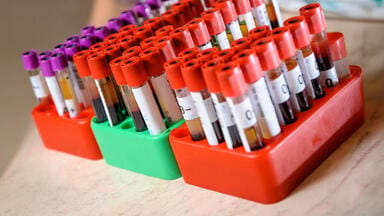
Water quality monitoring generally relies on spot sampling (collection of a known volume of water in a bottle at a specific place) at prescribed periods of time followed by instrumental analysis with a view to quantify “total” concentrations of pollutants. This methodology is well established and validated and is accepted for regulatory and law enforcement purposes. However, this approach is valid only if one assumes that it provides a truly representative picture of the chemical quality of water at a particular sampling site. As this procedure only gives a snapshot of the situation at the time of sampling, it has considerable temporal and spatial limitations when assessing contaminant concentrations and for predictions of pollutant bioavailability. A number of factors such as the speciation of metals, pollutant sorption to suspended particles, dissolved organic matter or colloids have been shown to affect pollutant bioavailability. Furthermore continuously varying hydro morphological and hydrological conditions and intermittent chemical releases associated with industrial/urban wastewater effluents, bed-sediment re-suspension and diffuse pollution lead to spacio-temporal variations in a water body’s physico-chemical characteristics (Fig. 1).
IET 36.2 Mar/Apr 2026


 Product directory












.jpg)